
Eco-Friendly Gardening Practices for Adelaide Homes


Embracing Sustainable Gardening in Adelaide
As the world becomes more environmentally conscious, many homeowners in Adelaide are turning to eco-friendly gardening practices. These methods not only help preserve our planet but also create beautiful, sustainable landscapes. By adopting a few simple strategies, you can transform your garden into an eco-friendly haven.
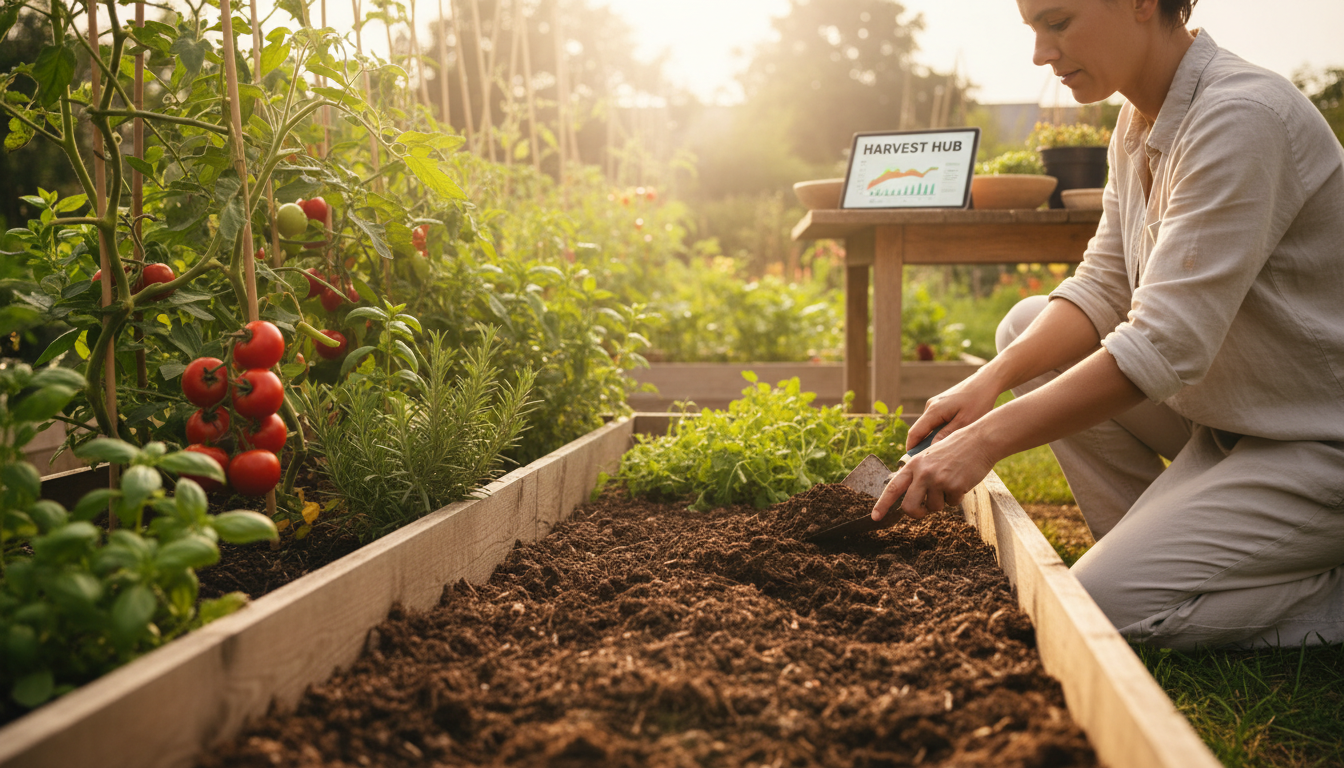
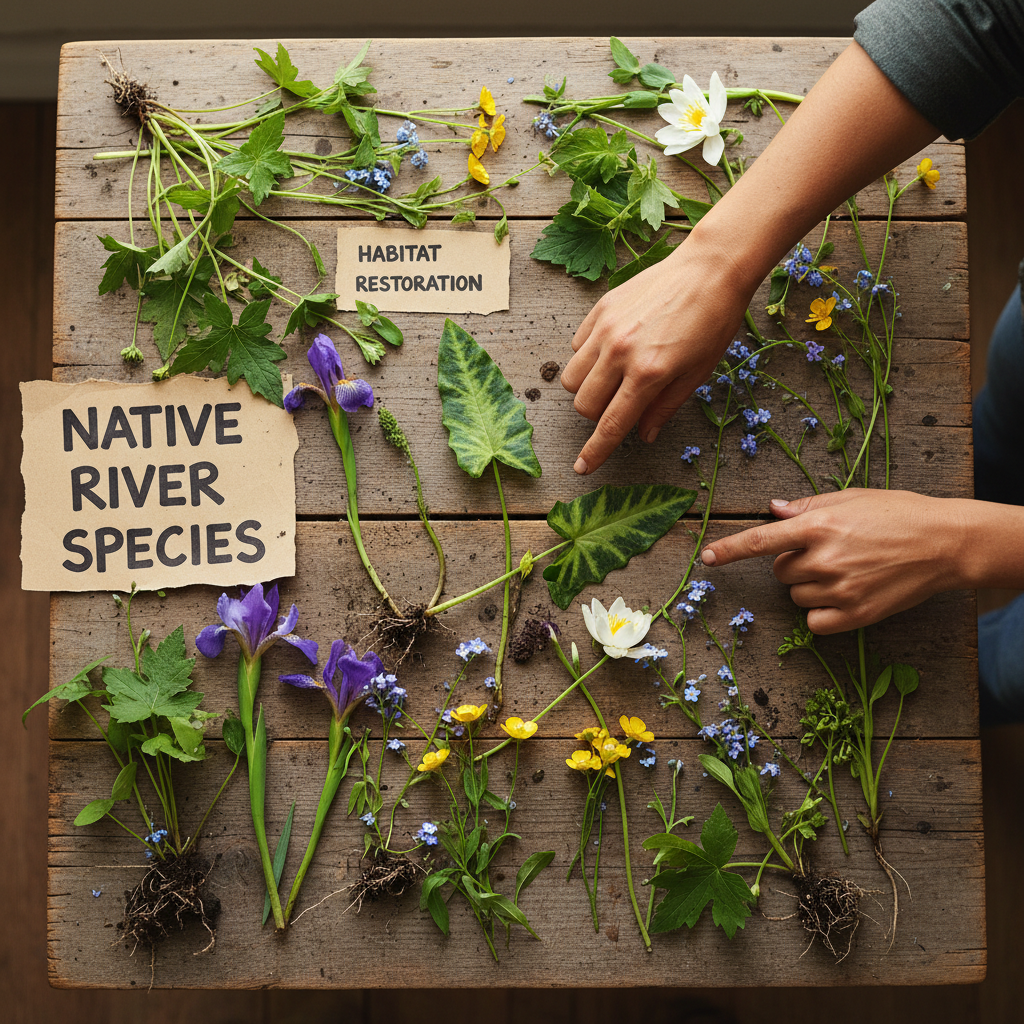
Choosing Native Plants
One of the most effective ways to create an eco-friendly garden is by selecting native plants. These species are naturally adapted to the local climate and soil conditions, requiring less water and maintenance. In Adelaide, consider incorporating plants like the Kangaroo Paw or the Bottlebrush, which thrive in the region's Mediterranean climate.
Native plants also support local wildlife, providing food and habitat for birds and insects. By choosing these species, you contribute to biodiversity and create a balanced ecosystem in your garden.
Water Conservation Techniques
Water conservation is crucial in Adelaide's arid climate. Implementing efficient watering methods can significantly reduce your garden's water usage. Consider installing a drip irrigation system to deliver water directly to the plant roots, minimizing evaporation and runoff.
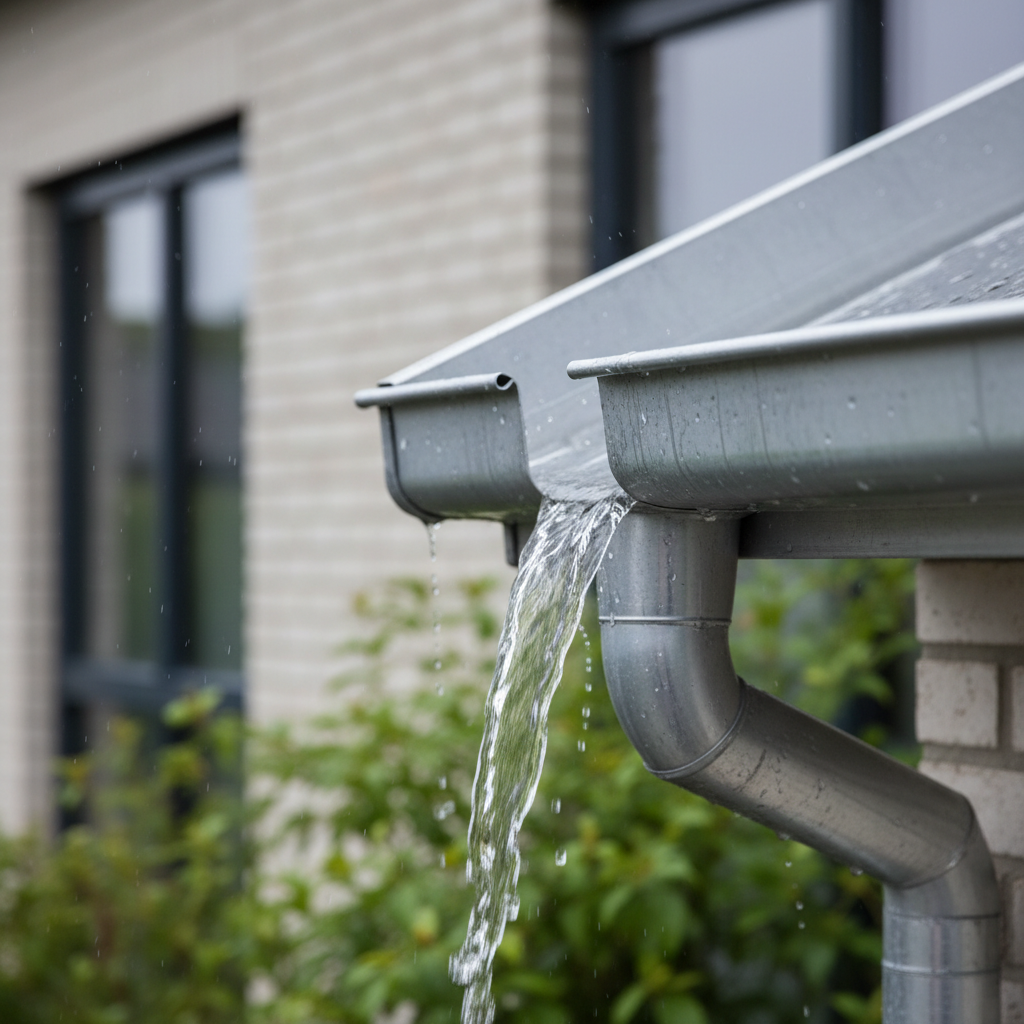
Collecting rainwater is another excellent practice. Use rain barrels to capture rainwater from your roof, which can then be used to water your garden. This method not only conserves water but also reduces your reliance on municipal water supplies.
Composting and Soil Health
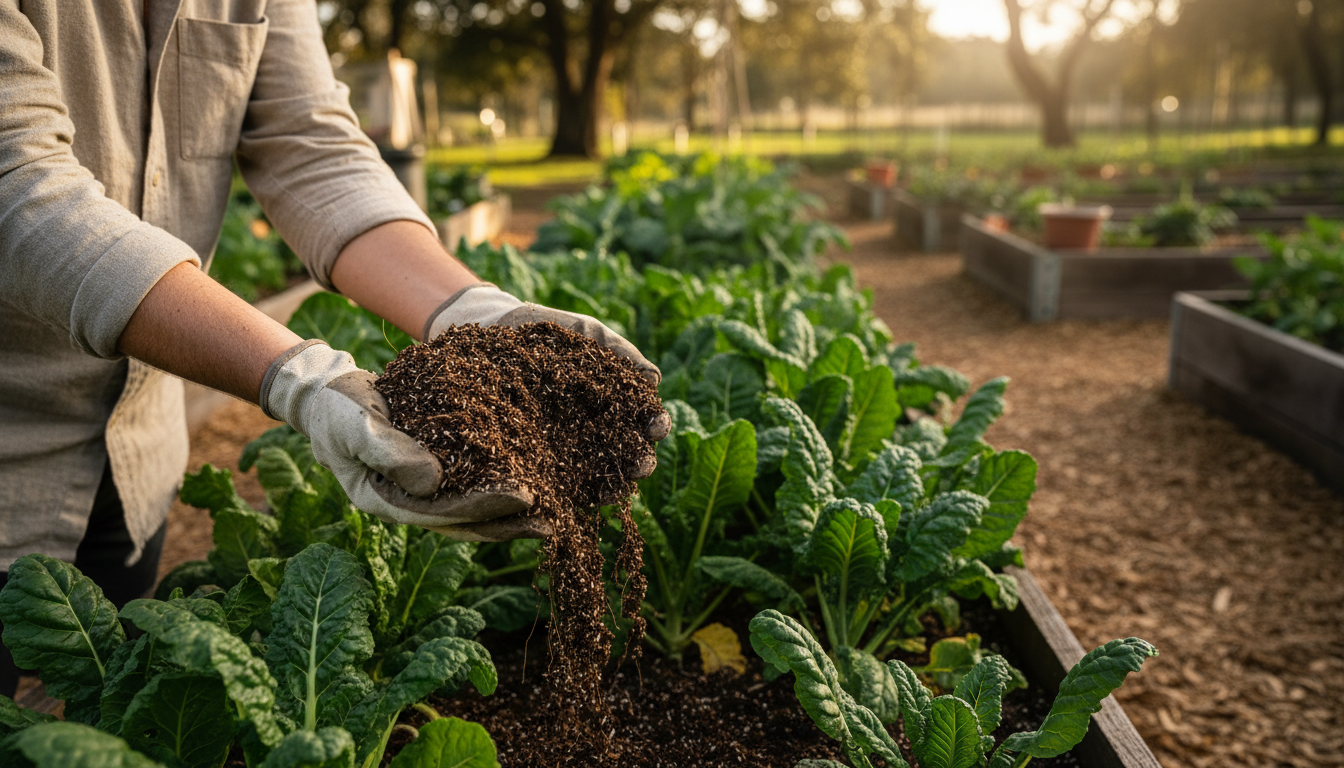
Healthy soil is the foundation of any successful garden. Composting is an eco-friendly way to enrich your soil with nutrients. By recycling kitchen scraps and garden waste, you create a rich, organic fertilizer that enhances soil fertility without the need for chemical additives.
Regularly adding compost to your garden improves soil structure, promotes healthy root growth, and increases water retention. This practice not only benefits your plants but also reduces landfill waste.
Reducing Chemical Use
Minimizing the use of synthetic fertilizers and pesticides is essential for eco-friendly gardening. These chemicals can harm beneficial insects and contaminate local waterways. Instead, opt for organic fertilizers and natural pest control methods.
Introduce beneficial insects like ladybugs and predatory beetles to manage pests naturally. Companion planting is another effective strategy, where certain plants are grown together to repel insects and support each other's growth.
Creating Wildlife Habitats
An eco-friendly garden can also serve as a sanctuary for local wildlife. Incorporate features such as birdbaths, bee hotels, and butterfly gardens to attract and support various species. Providing food, water, and shelter encourages biodiversity and enhances the ecological value of your garden.
By embracing these eco-friendly gardening practices, Adelaide homeowners can create sustainable, vibrant gardens that benefit both the environment and their communities. These efforts not only contribute to a healthier planet but also offer personal rewards, such as reduced utility bills and a sense of connection with nature.